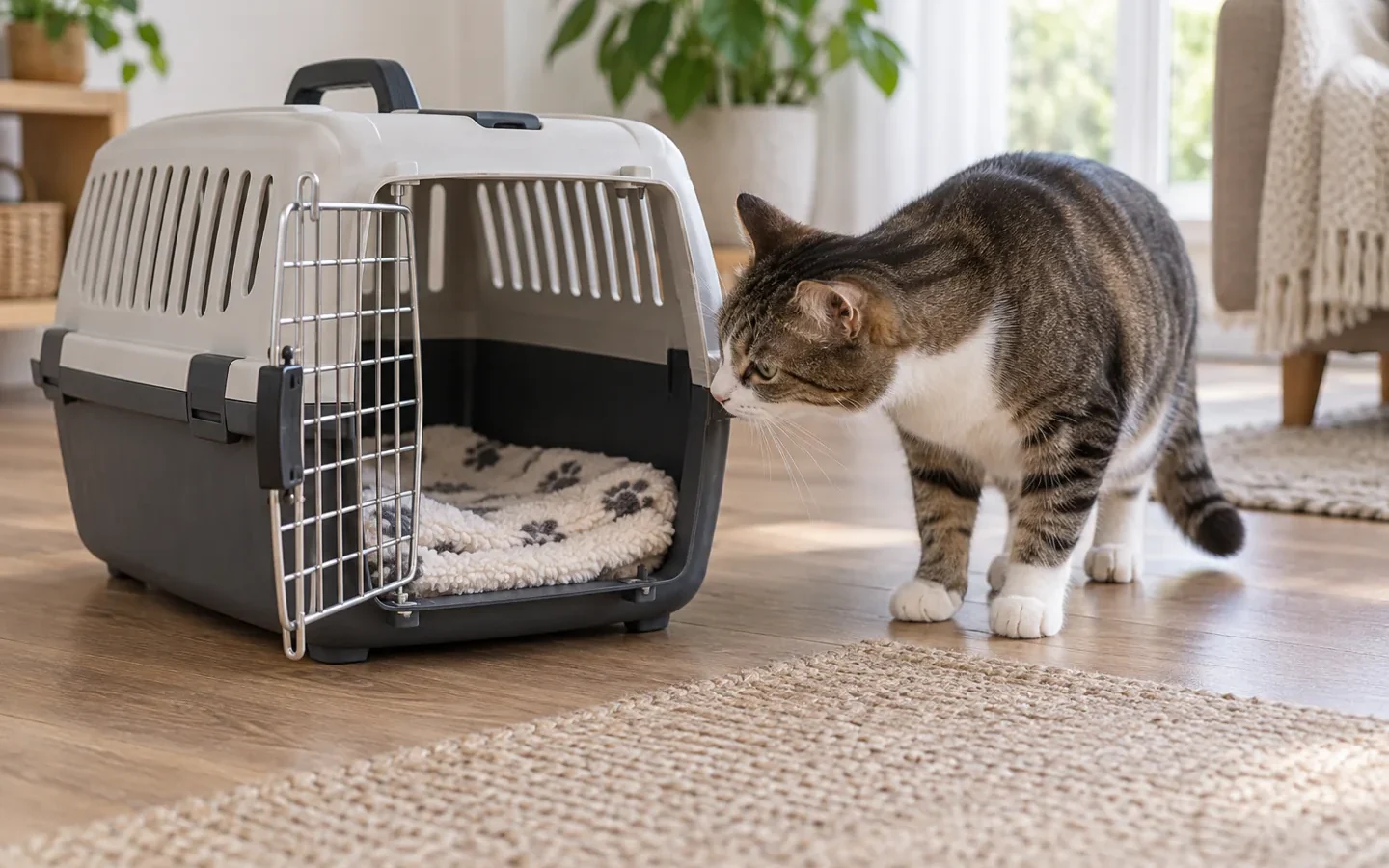
Image: AI-generated editorial illustration; a fictional scene with no real brands or businesses.
The carrier often comes out of the cupboard just as it is time to leave for an appointment. Preparing earlier gives you time to choose it carefully and notice how your cat responds. Start with practical needs instead of its colour or appearance in a product photograph.
Check the whole carrier, not just the handle
Cats Protection recommends a strong, secure, easily cleaned carrier, with ventilation on at least two sides and room for the cat to lie down and reposition. It also highlights the usefulness of a top opening or removable upper section.
Ask to see how the door and joints between the sections fasten. Check internal dimensions, permitted load and instructions for the exact model. A shop’s “medium” size label does not replace those details. Ask your veterinary practice if you are unsure about a suitable size for your cat.
Make a practical comparison note
- Internal dimensions and the manufacturer’s stated limits.
- Opening arrangement and how every fastening is secured.
- Parts that come apart for cleaning and how they reattach.
- A place at home where it can remain open.
- The intended use: a vet appointment, house move or other necessary journey.
If using a transport service, read its current carrier requirements before choosing the size and format. Keep the product reference and instructions with your pet’s paperwork. That avoids having to work out the assembly again just before departure.
Let it appear before appointment day
Cats Protection’s travel guidance suggests leaving the carrier open in a quiet room, with familiar bedding and appropriate treats, so the cat can explore at its own pace. It advises speaking to a vet if travelling causes severe stress.
Its carrier guide recommends gradual progress and closing the door only once the cat is comfortable inside. Do not turn the first voluntary exploration straight into a journey. Notice which steps your cat accepts and discuss difficulties with the practice, particularly when an appointment is approaching.
Plan the departure as well
Confirm the appointment time, address and arrival arrangements. Prepare any paperwork requested by the practice and leave time to organise the carrier without rushing. The travel guide says to keep the cat inside the carrier while driving; follow the securing instructions applicable to the carrier and vehicle.
Our pet health and safety guide provides a broader preparation checklist. For urgent care, call the practice and explain the situation. Carrier familiarisation should not delay necessary treatment.
How many days should introduction take?
A fixed success date will not suit every cat. Record what yours tolerates and avoid forcing progress to meet a timetable. If the process stalls or a journey is imminent, ask for individual advice.
Sources checked on 23 September 2026.