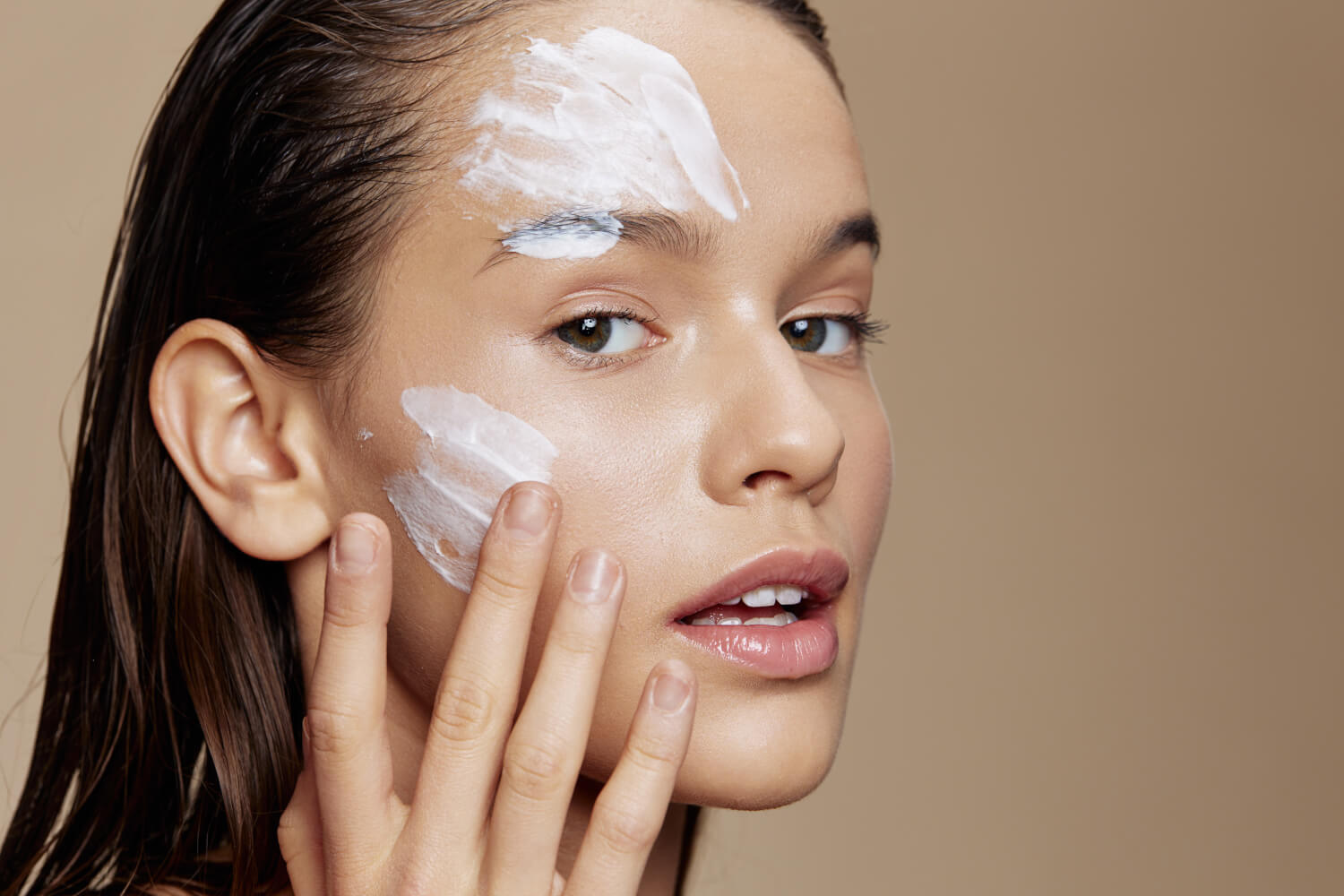
You see “hyaluronic acid” on a cream, a serum and a clinic’s treatment menu. Sharing an ingredient name does not make those products equivalent. Start by asking what is being applied, where and for what purpose: using a moisturiser is a different decision from receiving an injectable filler.
Its role in a moisturiser
The American Academy of Dermatology includes hyaluronic acid among the moisturising ingredients found in skincare products. It also explains that choosing a moisturiser depends on skin type and dryness. One texture does not suit everyone.
Before buying another step for your routine, decide what you want: a comfortable texture, help with a dry feeling or advice about an ongoing skin problem. An ingredient name alone does not establish that a product will erase wrinkles or let you compare the results of two formulations.
Reading a cosmetic claim
“Moisturises” raises different questions from “fills from within” or “stimulates collagen”. Look for information about the finished product and the outcome studied rather than transferring every property associated with an ingredient to the bottle in your hand.
- Is the evidence about the cosmetic you will buy or a different treatment?
- What outcome was assessed, and over what period?
- Do the directions explain where and how to use it?
- Do the price and quantity fit your needs?
You do not need to add a serum simply because it is fashionable. Ask a dermatologist about a skin condition, persistent irritation or uncertainties about your routine.
Fillers require a medical assessment
The AAD describes filler injection as a medical procedure. The FDA lists swelling, bruising and pain among possible effects. Accidental injection into a blood vessel can cause uncommon but serious complications, including tissue death, vision loss or stroke. These are different risks from applying a cream.
Do not inject yourself or use a “needle-free” filler device at home. The AAD warns that these devices have caused permanent injuries.
Preparing for a consultation
Explain the change you want, any previous treatments and the questions you have. Ask for the proposed product’s identity, who would administer it, the alternatives — including having no procedure — costs and follow-up arrangements. A decision needs information about your circumstances, not a promise of youthfulness.
Sources and scope of this revision
Consulted 23 September 2026: AAD guidance on choosing a moisturiser, fillers and needle-free devices; FDA guidance on filler risks. Universal claims about regeneration, rejuvenation and deep penetration have been removed. This is general information to prepare for decisions, not a recommendation to have treatment. See also our guide to beauty traditions and cosmetic products.