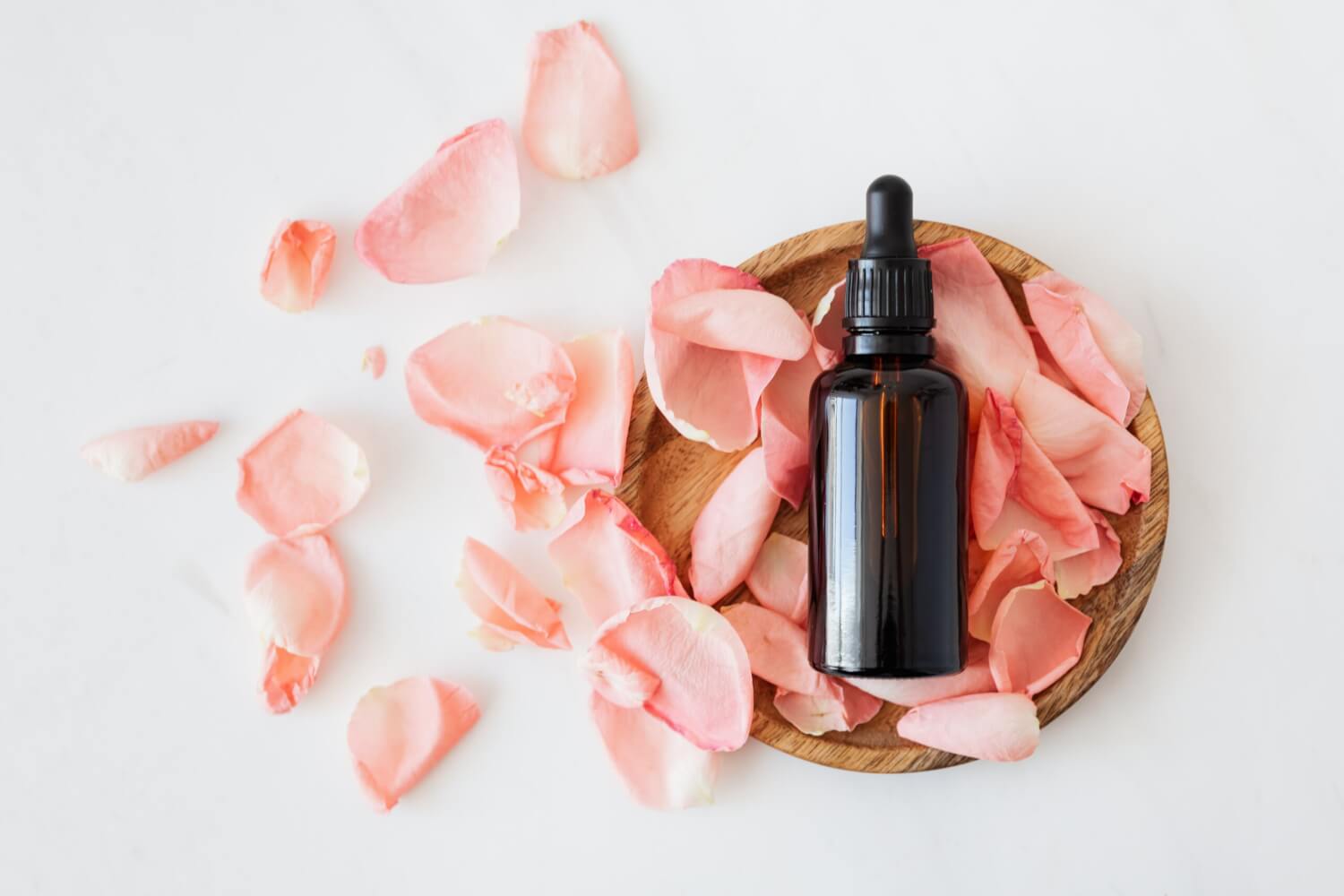
A bottle of oil and an ancient container can tell us a great deal about beauty: who made the products, how knowledge travelled and why everyday objects mattered. Exploring those stories is more rewarding than searching for a supposedly universal secret to staying young.
Argan: knowledge passed between generations
In 2014, UNESCO added Morocco’s practices and knowledge concerning the argan tree to its Representative List of the Intangible Cultural Heritage of Humanity. Its account highlights rural women’s work and the transmission of oil-extraction skills, with culinary and cosmetic uses, between generations.
The recognition concerns living cultural heritage. It does not certify the effectiveness of every cream containing argan or endorse a brand’s promises. When reading a label, separate the ingredient’s history from the evidence offered for that particular finished product.
A hedgehog-shaped makeup container
The British Museum’s Egyptian cosmetic jar EA58323 is a small blue-glazed hedgehog. The museum dates it to the seventh to sixth centuries BC. Its curators suggest it probably held kohl, a dark eye cosmetic, with an opening large enough for an applicator. “Probably” matters here: it preserves the uncertainty in the interpretation.
The object can inspire curiosity about craftsmanship and everyday life without becoming a recipe to recreate on our skin today.
Tradition and safety require different evidence
The FDA warns that some traditional cosmetics sold as kohl, kajal or surma can contain high levels of lead. Do not use them as remedies or apply them to children. A modern eyeliner may use “kohl” simply as a shade name: check its ingredients and intended use rather than assuming its composition from a marketing word.
Before trying a product
Spain’s medicines and health-products agency, AEMPS, offers practical guidance: follow directions and warnings, observe the stated usable life and keep containers clean and closed. Do not dilute products or mix them unless the manufacturer instructs you to, and do not share eye or lip cosmetics.
When comparing options, write down the exact product, the purpose you have in mind and the evidence behind the claim. If the explanation stops at “ancestral”, “detox” or “rejuvenating”, you still lack information to judge the promised result. Ask a healthcare professional about concerns involving a skin condition.
Sources and editorial correction
Consulted 23 September 2026: UNESCO: argan knowledge, British Museum: jar EA58323, FDA guidance on kohl and lead and eye cosmetics, and AEMPS: using cosmetics appropriately. Unsupported therapeutic claims and cultural attributions, along with an unrelated casino promotion, have been removed. Find more reading in Buscatea’s guides.