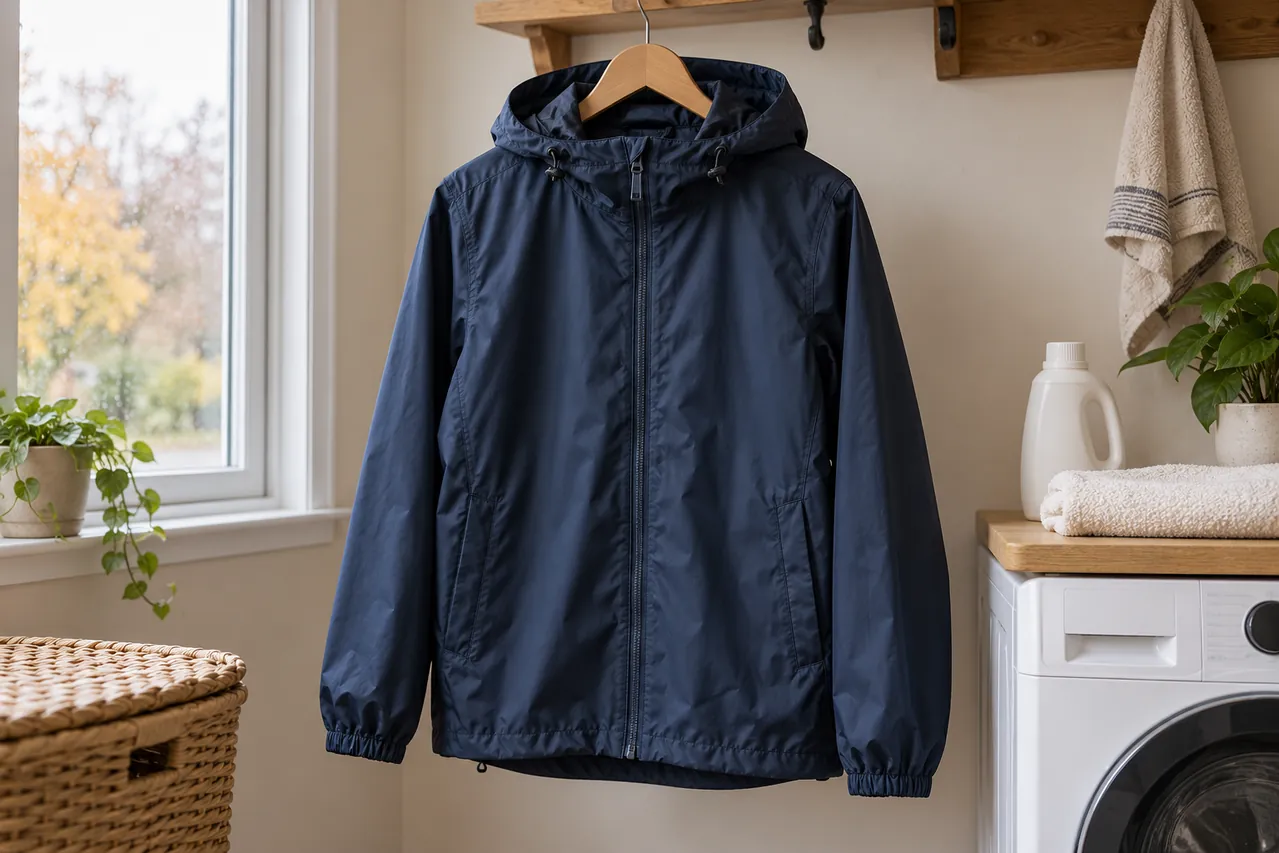
Image: AI-generated editorial illustration; a fictional scene with no real businesses.
If rain stops beading and the outside of your jacket darkens, it does not necessarily mean every protective layer has failed. Dirt and a worn outer finish can change how water behaves. Before buying a treatment or choosing a hot wash, read the garment’s own care label.
These steps suit a washable technical shell. If yours contains insulation, mixed materials or different instructions, follow the actual garment manufacturer. Two jackets that look similar may need different care.
Separate the shell from its surface finish
The fabric construction or membrane that keeps rain out and the outer water-repellent treatment are different things. GORE-TEX explains that its DWR finish helps water bead and roll off. It may need reactivation or replacement. A saturated outer fabric can also feel unpleasant even while the inner barrier still works.
Prepare the jacket for washing
Empty the pockets, close the main and pocket zips, and fasten loose straps. GORE-TEX’s care guidance for its outerwear calls for a small amount of liquid detergent and thorough rinsing, without fabric softener, bleach or stain remover. Set the temperature and spin to the limits on your particular garment label. Avoid washing it with heavily soiled clothes.
If detergent remains, an extra rinse can help. The aim is a clean garment, not a strongly scented one: product residue may interfere with the outer surface. Check that the machine and detergent drawer are clean before loading a delicate jacket.
Dry it; treat the finish only if needed
For suitable garments, the brand describes gentle tumble drying or line drying and, in many cases, a later moderate heat step to reactivate DWR. There are exceptions: it says not to tumble dry SHAKEDRY products. If your label rules out heat, do not substitute a hot iron or dryer.
When dry, see whether a little water beads and runs off the outer fabric. If the face still wets out and the maker permits treatment, choose a compatible water-repellent product and follow its instructions. Treatment cannot mend an open seam, damaged membrane or jacket that already leaks.
Before your next outing
Inspect the zip, cuffs and seams. Store the jacket fully dry and without crushing it for months. Our guide to reading care labels helps decode other garment symbols. Take a dry spare layer when conditions may change: good maintenance is no promise of comfort in every storm.
Do I need to apply repellent after every wash?
Not automatically. Clean and dry according to the label first; see whether water beads again. Use a compatible product when the surface actually needs it.
Sources checked on 5 October 2026.