A whole-home renovation combines several kinds of work within one project: layout, services, finishes and, where appropriate, other technical interventions. It does not mean the structure must change or every existing feature must be replaced. Start by identifying the problems to solve and the elements worth keeping.
Assess the home and set priorities
Write down what is not working: limited storage, ageing services, uncomfortable temperatures or a difficult-to-use bathroom. Separate practical needs from visual preferences. Before demolition or layout changes, ask the appropriate professional to assess the building and affected systems.
Permissions and documentation depend on the work and municipality. Establish the required procedure and who will handle it before starting. Do not assume internal work is exempt or that a contractor’s price includes every technical expense.
Compare quotations on the same scope
Give firms a common brief and request identifiable cost items. The Community of Madrid consumer guidance explains quotation information and prior communication of additional work within its remit. Elsewhere, also consult the relevant consumer authority. This guide does not replace the terms of your specific agreement.
- Measurements, materials and specifications, with alternatives clearly marked.
- Labour, supplies, transport, waste removal and taxes.
- Excluded work and who will carry it out.
- Expected dates, payment milestones and dependencies on material delivery.
- The coordinator and the route for raising problems.
Choose items before they need installing
A late decision about taps, doors or appliances can affect dimensions and work already completed. Agree on a selection timetable and check availability before fixing the work sequence. Keep approved product references and samples where possible.
If you will live at home during the renovation, ask which areas remain usable, when services will be interrupted and how the work area will be separated. Arrange temporary storage for furniture only after checking access needs and the likely duration.
Record changes before work goes ahead
When an unexpected issue appears, request an explanation, a proposed response and its effect on price and timing. Record the agreed decision. A quick conversation can help resolve a problem, but the decision should also enter the project record. Keep quotations, correspondence, invoices and progress photographs.
Use a handover checklist
Walk through the home with the person responsible and note finishing defects, operation of installed items and outstanding work. Request applicable manuals, guarantees and technical documentation, and agree how issues will be resolved. A visual walkthrough does not replace required technical checks.
Will renovation always increase the property’s value?
No return is guaranteed. The starting condition, workmanship, cost and market all matter. Prioritise practical use, safety and actual needs. Energy savings likewise need an assessment of insulation, ventilation, equipment and habits rather than a change of finish alone.
For related practical planning resources, explore our English guides.
Sources and verification
Information checked on 24 September 2026. Confirm services and conditions before booking.
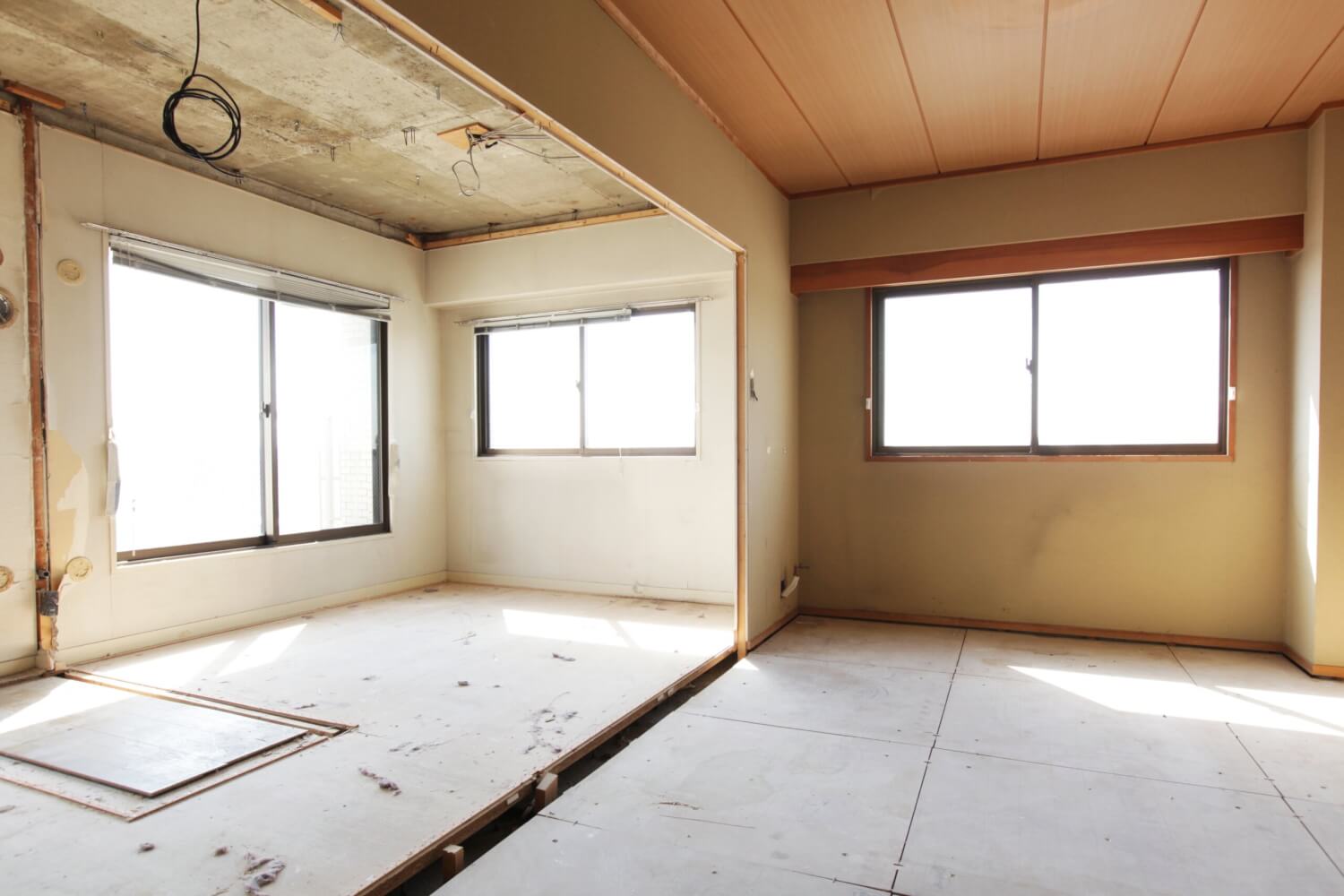
Illustrative archive image; it is not a technical inspection or demolition recommendation.