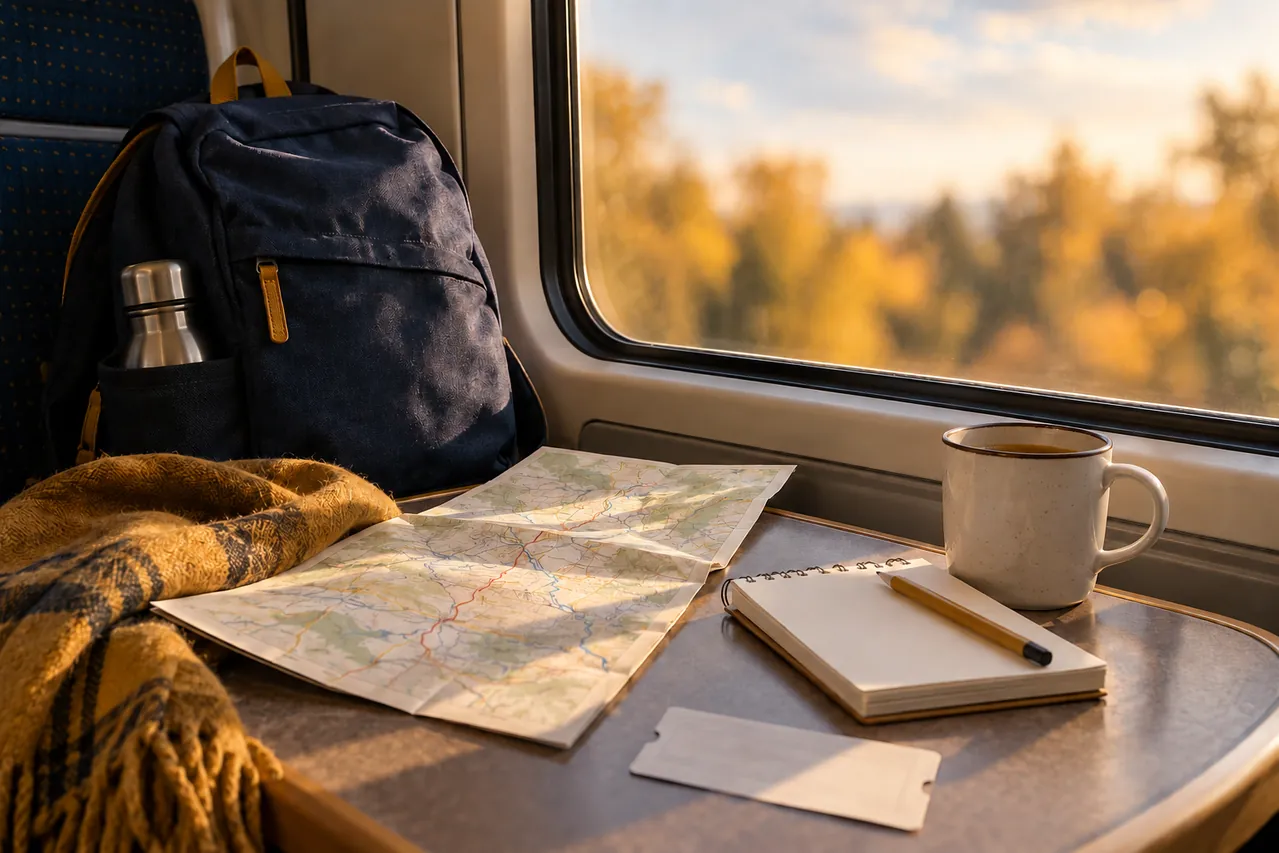
Image: AI-generated editorial illustration; a fictional scene with no real venues, businesses or codes.
You can visit Cuenca from Madrid for the day without a car. Plan the journey in three parts: your train to Cuenca–Fernando Zóbel, the connection into the city, and the climb or bus ride to the old town. Once there, Plaza Mayor, the Hanging Houses and San Pablo Bridge form a manageable core, with room for one indoor visit and lunch. Book both train journeys before filling the day with attractions.
The appeal is the meeting of buildings and landscape: a street turns, the ground drops away, and the view changes. Leave space to notice it. This is a suggested route you can adapt to your tickets and walking ability; it is not a report of a Buscatea visit or a promise that every connection will run to a fixed timetable.
Your train arrives at Fernando Zóbel, not the old town
Use Cuenca–Fernando Zóbel as your rail destination. Renfe places the station on Avenida Cerro de la Estrella; its Madrid–Cuenca route information lists bus and taxi stops. Read the Madrid departure station on your actual ticket. Do not assume every train leaves from Atocha, or that an itinerary mentioning Chamartín applies to the service you booked.
Cuenca’s official city bus information separates L10, the bus-station/high-speed-station link, from the routes serving the upper town. The L10 map linked by the tourism office is marked April 2026. Consult that document for the station connection rather than treating an old reference to a direct Plaza Mayor bus as current instructions.
One public-transport combination to prepare is L10 to the bus station, followed by L1 towards Castillo. The L1 route map includes the bus station, Plaza Mayor and Castillo. Check the boarding stop, direction and departures applicable to your day. A time shown for the end of a line is not automatically the time that bus reaches your intermediate stop.
Choose a transfer you are comfortable with
| Option | Who it may suit | Check first |
|---|---|---|
| L10, then L1 | You prefer public transport and want to reduce the uphill walk. | The bus-station connection, the Castillo direction and payment for each leg. |
| L10, then walk | You enjoy walking and are happy with gradients. | A pedestrian route, suitable shoes and enough energy for the rest of the day. |
| Taxi to the old town | You want a simpler connection or are carrying luggage. | Pickup, the permitted drop-off point, availability and fare. |
Build your budget from the whole outing: trains, local connections, the visit you choose and food. A low rail fare in a search result does not cover all of those. The official mobility directory is a useful starting point for checking local transport. Being dropped in the upper town also does not mean every street or building beyond it has a step-free route.
A flexible walk: three stops and one indoor visit
1. Get your bearings in Plaza Mayor
Start with the square rather than chasing the most famous photograph immediately. The tourism office describes Plaza Mayor as a junction for old-town routes, with streets leading towards the Hanging Houses and Castillo. Choose your main indoor stop here: the cathedral, the abstract-art museum, or neither if you would rather spend the day outside. One clear priority makes the route easier to adjust.
If the cathedral is your choice, check visitor access and what the current ticket includes on the venue’s own website. If the museum matters most, arrange the surrounding walk around its opening. Seeing a building from outside and exploring it inside are different experiences; you do not need to book everything to have a worthwhile day.
2. Visit the Hanging Houses area at your own pace
The Casas Colgadas house the Museo de Arte Abstracto Español, the Museum of Spanish Abstract Art. You can make the exterior part of your walk or give the museum its own place in the day. The regional tourism museum listing records Monday closure and links to visitor information. Check date-specific exceptions too, especially before making the museum the reason for your trip.
An indoor visit need not become a race through every room. Spend time with a few works that catch your attention; then look at how the building sits against the landscape outside. That change of focus gives the stop more substance than simply arriving, taking a picture and leaving.
3. Change your viewpoint at San Pablo Bridge
The San Pablo Bridge connects the former convent with the city. It gives you another perspective on the buildings and their setting. Approach only as far as you feel comfortable. Crossing it is optional, and any access restrictions or poor weather should take priority over completing a planned route.
Afterwards, head back towards Plaza Mayor for lunch or a break. If you still want more walking, add San Pedro and the Castillo area, then return. Treat that as an extension rather than an essential task. Dropping it preserves the main visit and leaves you more time to sit down without watching the clock through the meal.
Work backwards from your return train
You still need to reach Fernando Zóbel after leaving the old town. Save your ticket, locate the return bus stop and keep a taxi alternative in mind. Set a time to leave the upper town that covers waiting for both buses, travel between them and the arrival margin your rail operator requires. Map travel time alone is an incomplete calculation.
Pack water and clothing for the forecast rather than the weather you left in Madrid. Save the official tourist map and prepare an offline map before the trip. Test it at home so the route remains available when mobile coverage is inconvenient.
Questions worth settling before booking
Can I add somewhere outside Cuenca?
Only with its transport arranged and a realistic return connection. For a first car-free day, keep the itinerary within the city. A destination beyond it requires a separate plan; adding a pin to your map is not enough.
What if steep walking is difficult for me?
Plan transport to the upper town, shorten the route and ask each venue about the precise entrance you will use. This itinerary is not certified step-free. Specific access information is more useful than a broad claim that the whole old town is accessible.
Official information for planning your visit
- Renfe: Madrid–Cuenca
- Cuenca tourism: city buses
- Bus operator: L10 map and timetable
- Bus operator: L1 map and timetable
- Official tourist maps
Sources checked on 7 October 2026. Check the official sources for details that depend on your date, order or appliance model.