Neuralink’s story is easier to understand when three things are kept separate: the function being tested, individual participants’ experiences and the company’s future aims. Moving a cursor through a brain interface is not the same as repairing a spinal cord injury or demonstrating restored vision.
Archive image accompanying this article. It is not evidence of efficacy or a record of the trials’ current status.
What the implant is being studied for
The official PRIME brochure describes an investigational device trial: the N1 implant records brain activity, which the system uses to control external devices. The study evaluates safety and initial function and involves surgery and follow-up. The brochure states that the devices are not for sale.
Noland Arbaugh’s experience, with dates and attribution
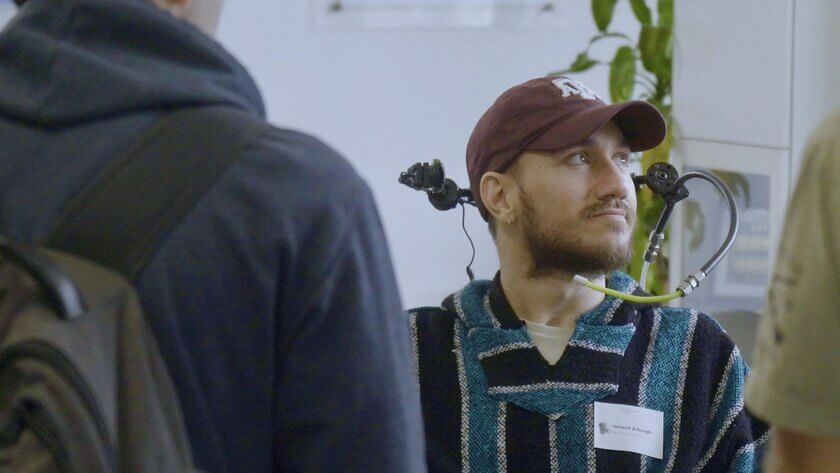
The correct surname of the company’s first publicly presented participant is Arbaugh. In its 8 May 2024 update, Neuralink reported that he used a cursor to operate applications and play games. It also reported retraction of some implant threads, reducing the effective electrode count, and software changes intended to improve performance.
This information comes from the company. An individual’s experience and a developer-reported problem cannot establish what outcome another person would have.
What the 2026 update adds
On 28 January 2026, Neuralink reported 21 participants across its international trials and described computer and assistive-device use. It acknowledged variations in performance and further work on the implant and procedure. That number belongs to the announcement date; it is not a live participant count.
The company’s trials page separates device-control, communication and visual-perception research. Sharing a brand does not mean each programme has demonstrated the same capabilities.
A trial is not a treatment available to everyone
The FDA explains the US framework for investigational devices: permission to study them carries conditions, oversight and consent requirements. It is not general marketing authorization. Early studies explore safety and function; their size and follow-up matter when interpreting findings.
When reading a report, look for specific answers: what task was measured, for how long, in how many people and with what reported difficulties? A selected demonstration cannot answer all those questions on its own.
If you are interested in participating
Discuss it with your healthcare team and use the study’s official channels. Ask about eligibility, visits, risks, follow-up and what would happen if the system stopped working. Do not send medical records to intermediaries promising guaranteed access.
Sources and scope
Primary sources checked on 22 September 2026. Specific developments are attributed to Neuralink; this article is not an independent clinical assessment or a recommendation to receive an implant. Explore more of our guides.