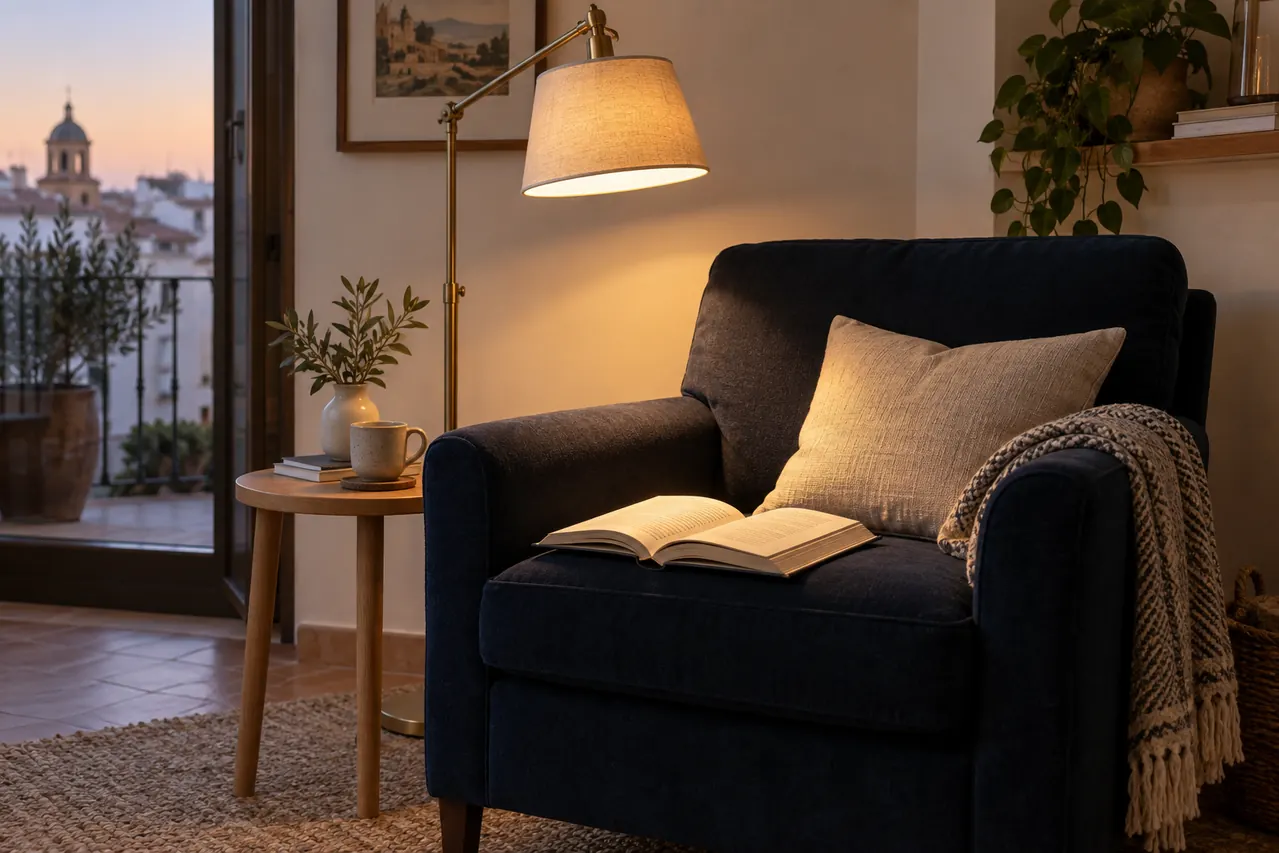
Image: AI-generated editorial illustration; a fictional scene with no real businesses.
A useful reading light reaches the page without making you look into the bulb or placing your own shadow over the book. Before buying a new lamp, try moving the one you have. Then consider light output, colour and compatibility as separate choices.
It is easy to choose a bulb because the box says “warm white”, then find that reading still feels awkward. You may like the colour while the light is aimed in the wrong place. Those are different problems.
Three numbers with different jobs
- Lumens (lm): describe the source’s light output.
- Kelvin (K): describe the colour of white light; lower values look warmer and higher values look cooler.
- Watts (W): express electrical power, rather than brightness on their own.
Philips Hue’s lumen explanation (Spanish) and the Signify technical catalogue (Spanish) distinguish these concepts. A lumen figure alone does not tell you how much light will reach your book: the way the fitting directs it matters too.
Test it with what you actually read
Sit in your usual place and open a real book rather than judging an empty sheet. Adjust the lamp to illuminate both pages. Move the head if the design allows it, then notice what changes when you turn a page or shift position slightly.
Try a glossy magazine too. If a bright reflection hides the words, change the angle. If moving the lamp closer exposes the light source directly to your view, try another height or a position farther to the side. Keep the base stable and the cable out of walkways.
Change one setting at a time
With adjustable brightness and colour, change one setting first. This helps you tell whether you prefer more light, a less warm tone or simply a different angle. One number cannot identify the best light for every reader and every room.
Make the comparison at your normal reading time. A pleasant spot beside a window in the morning may need different lighting at night. Decide whether you also want some general illumination in the room.
Check the fitting before buying a bulb
Note the cap type, available space under the shade and the fitting’s instructions. If using a dimmer, check that both the bulb and control are compatible. “LED” does not automatically mean “dimmable”.
The European Commission explains the A-to-G energy label and consumption per 1,000 hours. Its QR code leads to the model’s EPREL information. Compare the exact product rather than confusing energy efficiency with reading comfort.
Do I need a smart lamp?
Not to get started. First see whether a compatible, well-positioned lamp meets your needs. App controls are useful only if you intend to use them. If you are rearranging the whole corner, our guide to choosing a sofa for a small living room can help with space planning.
Sources checked on 29 September 2026.