
The Drawer of Shame
We all have one. The drawer. It’s that graveyard in the kitchen or the home office filled with tangled cables from 2013, a smartphone with a cracked screen that costs too much to fix, and a perfectly good set of Bluetooth headphones whose battery simply gave up the ghost.
For the last two decades, the tech industry has operated on a model of seductive obsolescence. Devices were designed to be sleek, sealed, and ultimately disposable. If it broke, you didn’t fix it—you upgraded. But the winds in Europe are changing. We are currently standing on the precipice of the most significant shift in consumer electronics design since the invention of the smartphone: the return of repairability.
This isn’t just about nostalgia for the days when you could change a Nokia battery in five seconds. It is a calculated, legislative, and technological pivot driven by the European Union that is forcing global giants to rewrite their engineering playbooks.
The Death of the “Sealed Unit”
The philosophy of “thinness at all costs” is officially facing resistance. For years, manufacturers glued components together to shave off millimeters, making repairs dangerous or impossible for anyone without a chemistry degree and industrial solvents.
However, the EU’s Right to Repair directive and the new Battery Regulation are dismantling this approach. The premise is simple: you cannot claim to be a sustainable tech company if your product is designed to become e-waste after 24 months.
We are already seeing the ripple effects. Apple, a company historically notorious for its “walled garden” hardware, has begun offering self-service repair kits. Google has partnered with iFixit. But the most exciting developments are coming from European innovators who are proving that durability doesn’t mean sacrificing performance.
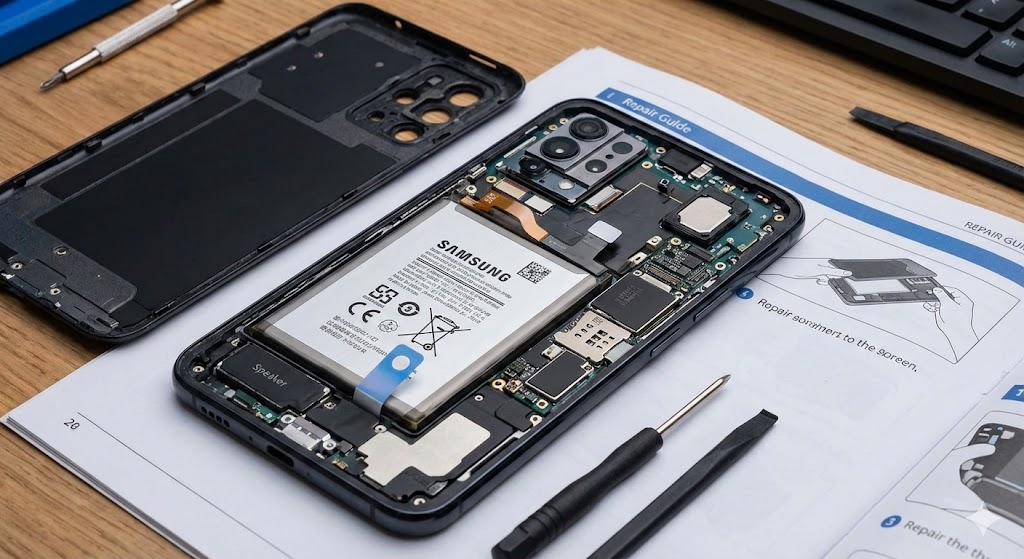
Look at the rise of modular laptops and phones. Companies are now designing motherboards that tell you exactly which screw goes where. They are creating QR codes inside devices that link to repair manuals. The “Black Box” of technology—where the user is forbidden from understanding the tool they use—is being pried open.
The Standardization Game
This shift isn’t happening by magic; it is happening because of rigorous standardization. To make a device repairable, you need universal standards for tools, parts, and safety.
If every manufacturer uses a proprietary screw head or a battery with a unique voltage curve that no one else produces, the Right to Repair is dead on arrival. This is where the boring, gritty work of compliance becomes the bedrock of innovation.
Engineers are now having to look closely at ISO and EN norms to ensure their redesigned products meet safety and interoperability requirements. It is a massive undertaking for hardware startups and legacy giants alike. They must navigate a labyrinth of technical specifications to ensure that a user-replaceable battery is safe for a consumer to handle.
Accessing and understanding these technical documents is crucial for any hardware company wanting to sell in the EU market. Engineers and compliance officers are increasingly relying on centralized databases to stay ahead of the curve. Resources like European Standards have become essential for navigating this complex web of regulations, providing the specific documentation needed to ensure products are not just cool, but compliant with the rigorous new eco-design frameworks.
The Digital Product Passport
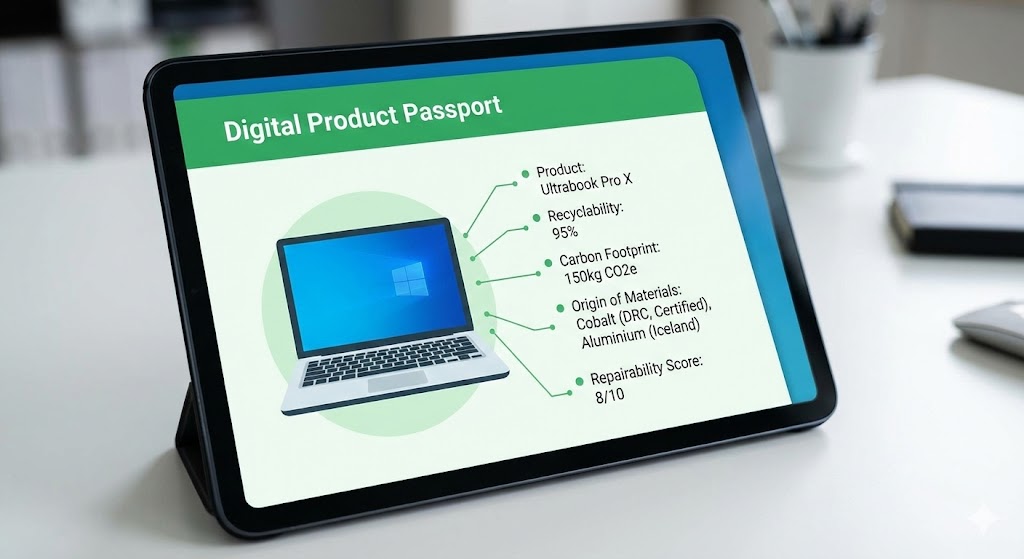
Perhaps the most futuristic aspect of this European tech shift is the concept of the Digital Product Passport (DPP).
Imagine scanning a laptop and seeing its entire life story. The DPP aims to create a digital twin for physical products. It will tell you where the cobalt in the battery came from, the carbon footprint of the manufacturing process, and, crucially, the repair history and recyclability of the components.
This brings transparency to a supply chain that has been opaque for decades. For the consumer, it means buying a used device with confidence. For the tech industry, it means data.
Tech companies will have to become data companies regarding their own hardware. They will need to track components from the mine to the recycling plant. This requires a massive integration of blockchain, IoT tracking, and cloud infrastructure. It is a headache for logistics managers, but a goldmine for the circular economy.
The Economic Argument (It’s Not Just About Trees)
Skeptics often argue that regulation stifles innovation. They claim that forcing repairability will make devices chunkier, uglier, and more expensive.
But the market is proving otherwise. There is a growing demographic of “pro-sumers” who are tired of fragility. They are tired of the anxiety of a shattered glass backplate. There is a competitive advantage to be had in being the “durable” option.
Furthermore, the repair economy is a job creator. By moving away from a model where broken tech is shipped halfway across the world to be melted down, we encourage local repair hubs. We create a secondary market for refurbished parts. We turn “waste” back into value.
What This Means for the Future of Tech
We are moving toward a future where “owning” technology actually means owning it again.
- Modular Upgrades: Instead of buying a new laptop every three years, you might just buy a new processor module or a better screen.
- Longer Software Support: Hardware longevity forces software longevity. If the phone lasts seven years, the OS updates must last seven years (a standard Google and Samsung are finally starting to approach).
- Value Retention: Tech will hold its resale value better if it can be easily refurbished.
The era of disposable tech is gasping its last breath. While the transition will be messy and expensive for manufacturers, the result will be a healthier relationship between humans and their machines. Europe is drawing the blueprint, but the whole world is going to have to build it.
So, the next time you drop your phone, don’t despair. In the very near future, you might just be able to pop the back off and fix it yourself—just like the old days, but smarter.