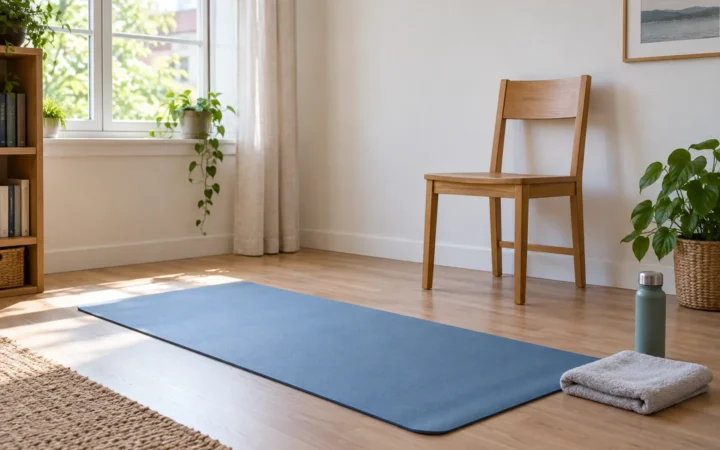
Looking after yourself often depends more on repeatable habits than a dramatic transformation. No routine guarantees longevity: personal circumstances, the environment and access to healthcare matter too. A useful aim is to build habits you can maintain and adapt.
Find opportunities to move
The WHO explains that physical activity benefits health and that all movement counts. Walking, cycling for transport and adapted activities are possibilities; exercise does not have to happen in a gym.
Look at a normal week and find realistic opportunities: a journey, a break or an activity you enjoy. Start from your current circumstances instead of treating general guidance as an identical obligation for everyone. If you have a health condition, pain, an injury or questions about suitable intensity, seek professional guidance.
Plan your shopping before looking for a diet
WHO dietary guidance emphasises variety and balance, including foods such as vegetables, fruit, pulses and whole grains. Frozen and canned options can also be useful; check for added sugars and excessive salt.
A simple starting point is to choose two or three familiar meals and prepare their ingredients. Adapt choices to your budget, culture, preferences and needs. Illness, allergies or difficulty eating may require individual advice.
Make room for rest
The NIH’s NHLBI gives a general recommendation of seven to nine hours of sleep for adults. Needs vary with age and circumstances; sleep is not a contest to hit one exact number.
Notice your schedule and how you feel during the day. Allow a quieter period at the end of the day and try a routine compatible with your work. If sleep difficulties or daytime sleepiness persist, seek advice rather than relying on products promising an instant solution.
Do not turn stress into another source of guilt
Planning a break, asking for help or talking to someone you trust can provide a starting point. No relaxation technique guarantees protection from illness. Distress that interferes with everyday life deserves professional attention.
To stay in touch with others, choose something specific and manageable: a call, a shared walk or an activity that interests you. There is no need to fill your calendar with social obligations.
A small plan for the coming week
- Choose one change rather than five at once.
- Decide when it will happen and what you need to prepare.
- At the end of the week, note what helped and what made it difficult.
- Adjust the plan without treating a difficult day as failure.
These ideas accompany any healthcare you need. Check-ups, vaccinations and treatment should follow the advice appropriate to your circumstances.
Find more practical reading in our English guides.
Sources checked on 22 September 2026. General recommendations reviewed and promises of longevity removed.