Finding a tea you enjoy does not require specialist equipment or a cupboard full of unfamiliar varieties. You might prefer a gentle morning cup or a spiced blend after lunch. Start with the flavour and experience you want, rather than promises about weight loss, sleep or longevity.
Read the ingredients before choosing a blend
Green, black and oolong tea come from the same plant, Camellia sinensis, but are processed differently. A chamomile infusion uses a different plant. Shops may use the word “tea” in the names of many kinds of blend, so the ingredient list is more useful than the name alone.
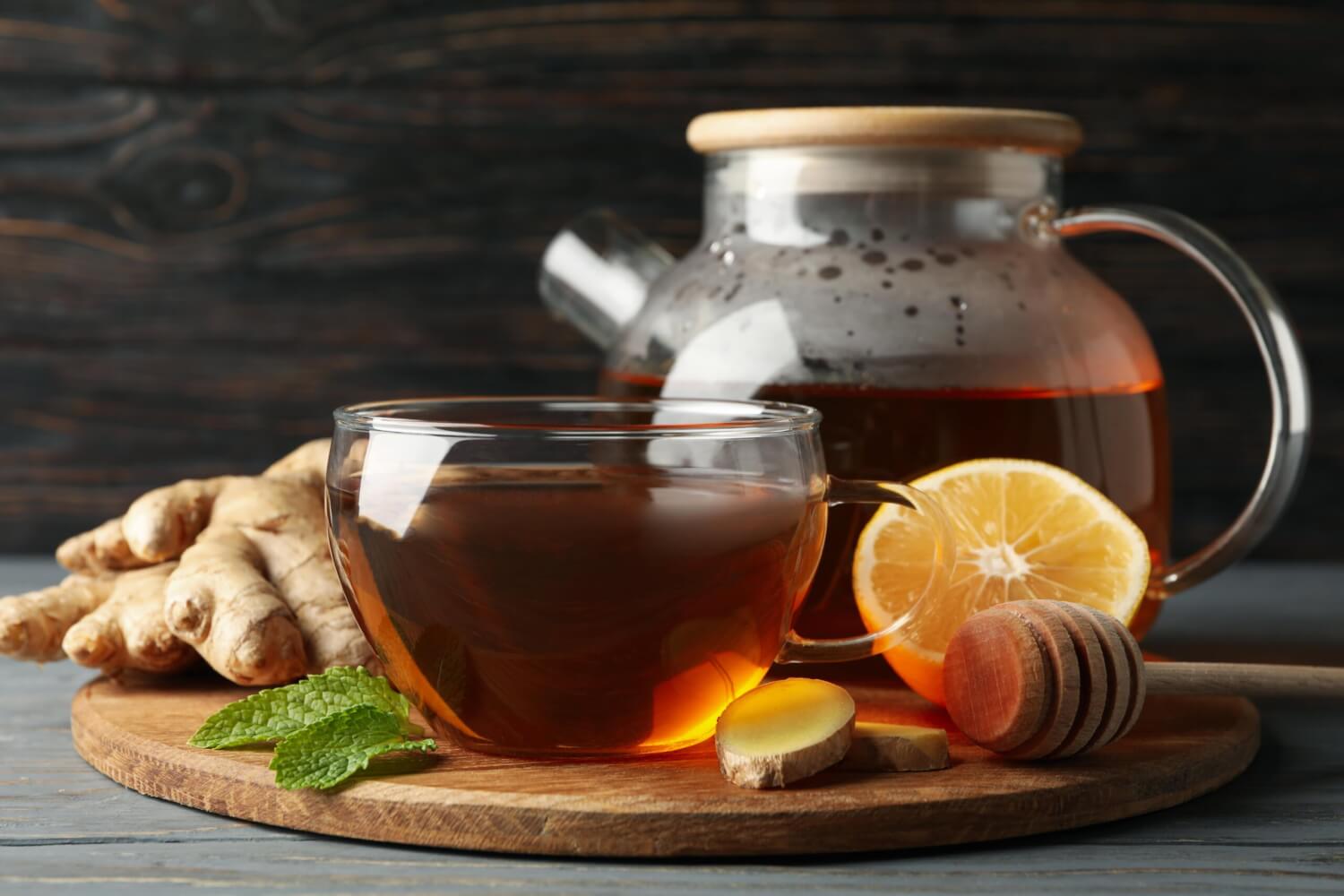
For a spiced blend, check which spices it contains and whether tea, flavourings or added sugar are included. An appealing description on a box only tells part of the story. When comparing prices, also consider the quantity in the packet and how many cups you actually make from it.
Try a simple tasting at home
Buy a small quantity first. Follow the preparation instructions and taste the drink before adding milk, sugar or lemon. You can then decide which additions you prefer. Drinking it plain is an option, not a test of whether you appreciate tea properly.
- Write down your first impression. Does the cup taste mild, bitter, floral or spicy to you? Your notes only need to make sense to you.
- Change one thing at a time. Adjust the amount of tea or the brewing time on your next attempt, rather than changing everything together.
- Use the same cup or pot. This makes a preparation you like easier to repeat.
- Keep the label. It helps you find the same blend again and remember the instructions.
Caffeine and health claims
Green tea contains caffeine. If you want to avoid it, check the composition of each product rather than relying on the colour of the drink or words such as “natural”.
According to NCCIH, firm conclusions cannot be drawn for most of the health purposes for which green tea is promoted. A brewed drink and a concentrated supplement are also different products: extracts can cause adverse effects and interact with medicines.
Chamomile should not be presented as a proven treatment for insomnia or anxiety. NCCIH describes insufficient reliable evidence to assess its clinical usefulness for various conditions. If you take medicines or intend to use herbal products for a health condition, ask a healthcare professional for advice.
Do you need loose-leaf tea?
No. Compare tea bags and loose leaves by their ingredients, convenience, quantity and the result in your cup. Labels such as “premium” or “detox” do not replace that information, and a more elaborate preparation is not automatically the one you will enjoy most.
For a broader look at everyday routines, read our guide to movement, food and rest.